
Wellness Library
Gut Health
Text version
bok choy
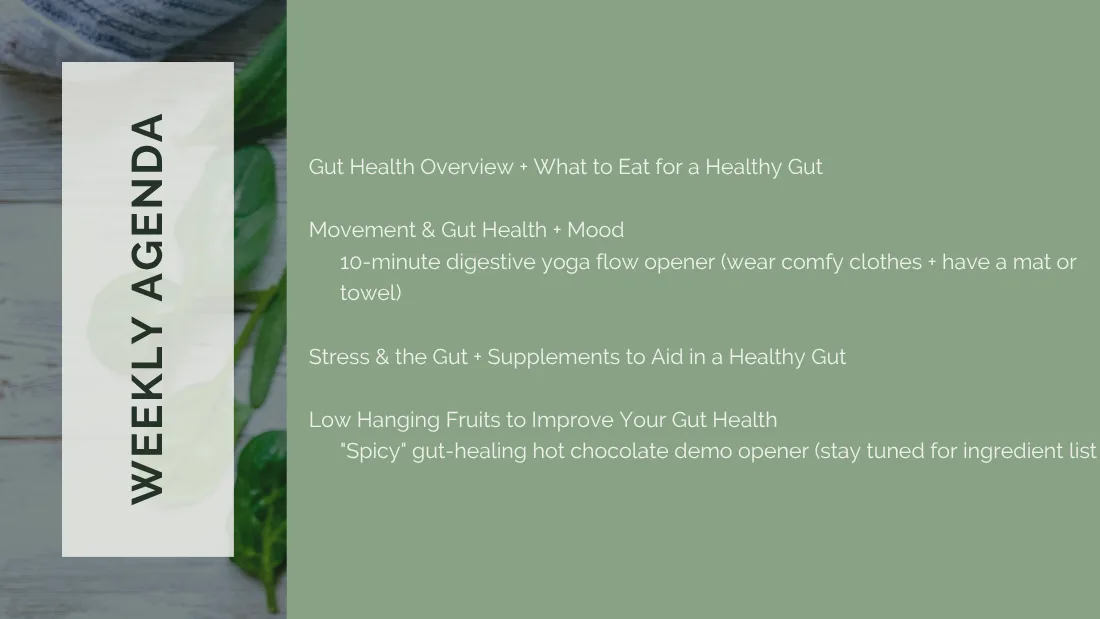
WEEKLY agenda
Gut Health Overview + What to Eat for a Healthy Gut
Movement & Gut Health + Mood
10-minute digestive yoga flow opener (wear comfy clothes + have a mat or towel)
Stress & the Gut + Supplements to Aid in a Healthy Gut
Low Hanging Fruits to Improve Your Gut Health
"Spicy" gut-healing hot chocolate demo opener (stay tuned for ingredient list
what's up with my gut?
gut health overview
Big Photo + Text
WHAT IS THE FIRST THING THAT COMES TO MIND WHEN YOU THINK OF YOUR GUT?
Title For A Section
“Gut health” describes the function and balance of bacteria of the many parts of the gastrointestinal tract. Ideally, organs such as the esophagus, stomach and intestines all work together to allow us to eat and digest food without discomfort.
WHAT IS GUT HEALTH
Text Only (Multiple Headings)
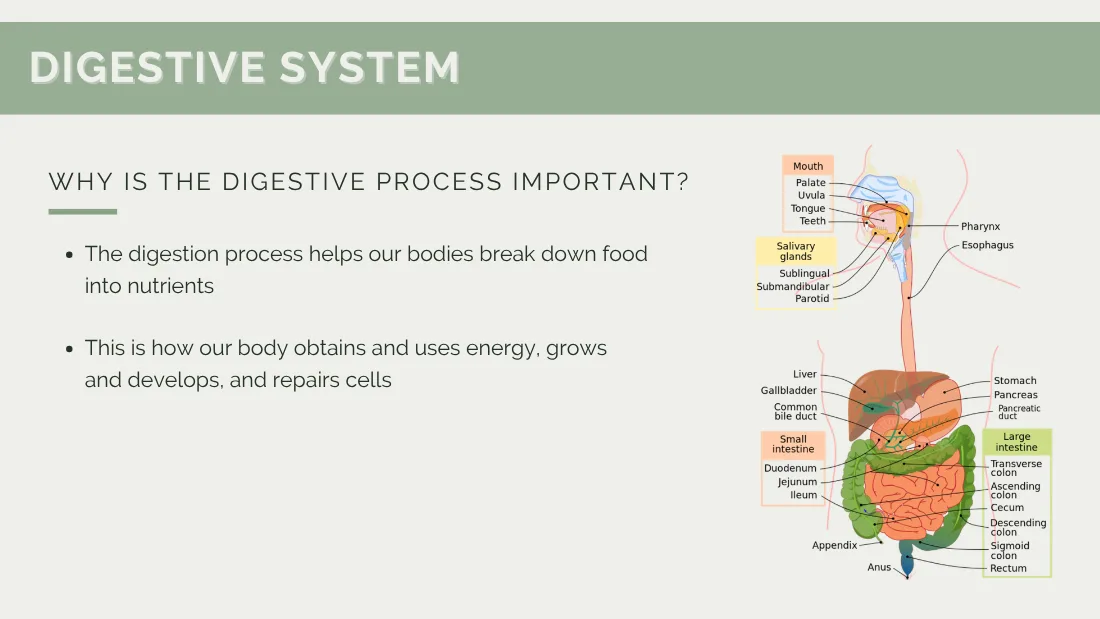
Just a quick elementary description of the digestive system and how it works. You chew your food, saliva begins breaking down food, chewing helps as well. It travels downyou esphogus into your stomach where your stomach acid helps to break it down. Fun fact, stomach acid is strong enough to burn through your skin -- good thing it's inside of us -- ha!
Then food is brought into the small intestine where the muscles in this area mix the food with digestive juices and enzymes to help move digestion further down the chain. The walls of the small intestine absorb the digested nutrients and become the pathway for energy to send to your cells.
Any waste or undigested food then travels into the large intestine also known as the colon. Any leftover nutrients as well as water are absorbed here. The colon or large intestine is where the gut bacteria live. This gut bacteria is known as the microbiome and is absolutely essential to the digestive process. This is where your stool develops and then we eventually, hopefully, eliminate the waste through the rectum/anus area.
digestive system
Why is the digestive process important?
The digestion process helps our bodies break down food into nutrients
This is how our body obtains and uses energy, grows and develops, and repairs cells
WHAT IS THE MICROBIOME
So, the microbiome is essentially just all of the different organisms living inside of us. Most of these live in our gut, and more specifically, our colon.
There are 5 types of microorganisms that make up our microbiome:
Bacteria--yes, bacteria can be, and IS good. Most are actually good and try to help us out by helping to digest our food and allow us to assimilate nutrients. We actually wouldn't be able to survive without them.
Yeast/Fungi: again, some yeast is essential to a healthy, balanced microbiome/gut. It's when there's an overgrowth that things can be out of wack and out of balance -- typically too much sugar can cause this.
Parasites -- not super common in the modern western world, but can still live in peace in our microbiome
Viruses -- are also an important part of keeping the bacteria in harmony
Archaea -- these bugs hang out in the colon. they don't compete with bacteria or viruses for food or in other words, energy
MICROBIOME:
- MICROORGANISMS LIVING INSIDE OF US
- Bacteria
- fungi/yeasts
- parasites
- viruses
- archaea
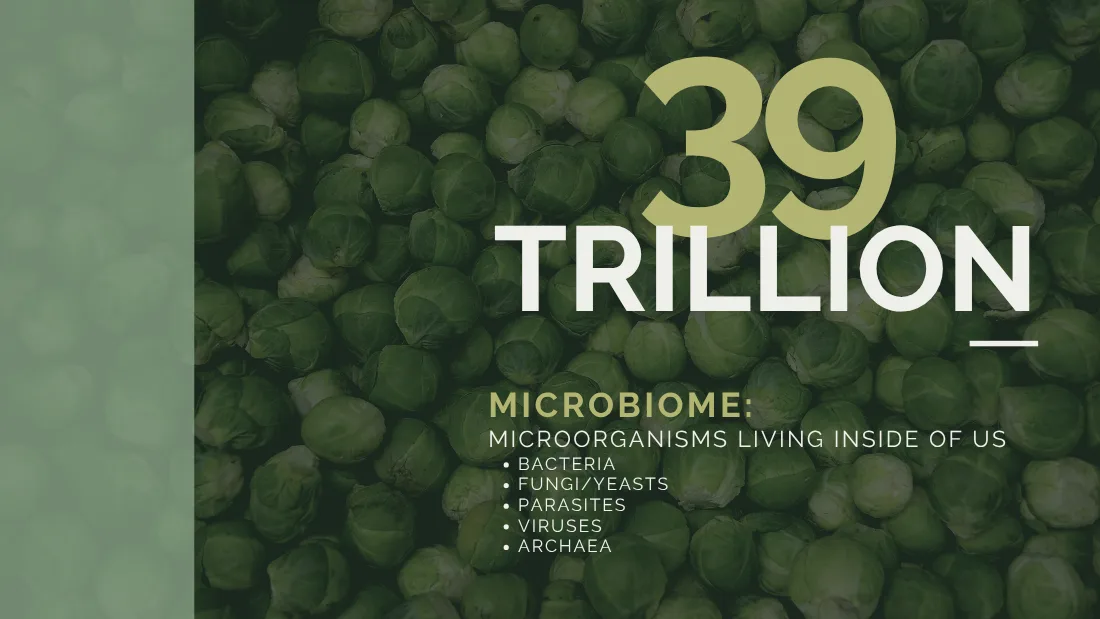
Ready to have your mind blown?
In total, we have 39 trillion microorganisms living inside of us. 39 trillion. I don't know about you, but that's a really hard number for me to even grasp.
To put it into perspective, the number of bacteria in our bodies outnumbers the number of human cells in our bodies by 90%. We are essentially 90% our microbiome, and only 10% human. I got these revolutionizing stat from Dr. Will Bulsiweiz... had to give him credit for all of the research he has done on the microbiome.
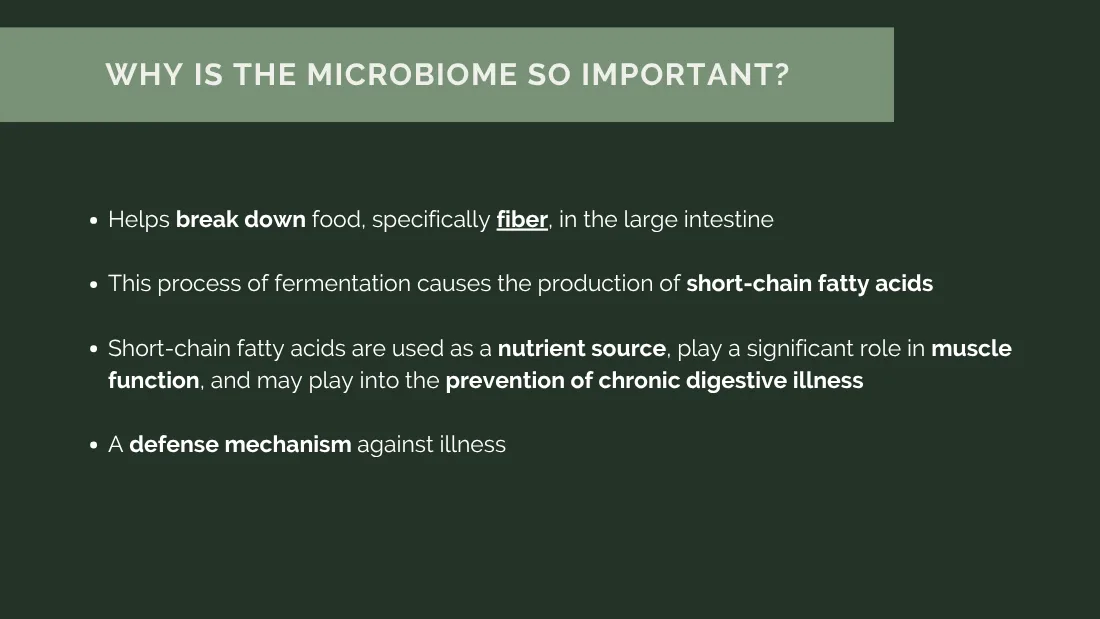
WHY is the microbiome SO IMPORTANT?
Helps break down food, specifically fiber, in the large intestine
This process of fermentation causes the production of short-chain fatty acids
Short-chain fatty acids are used as a nutrient source, play a significant role in muscle function, and may play into the prevention of chronic digestive illness
A defense mechanism against illness
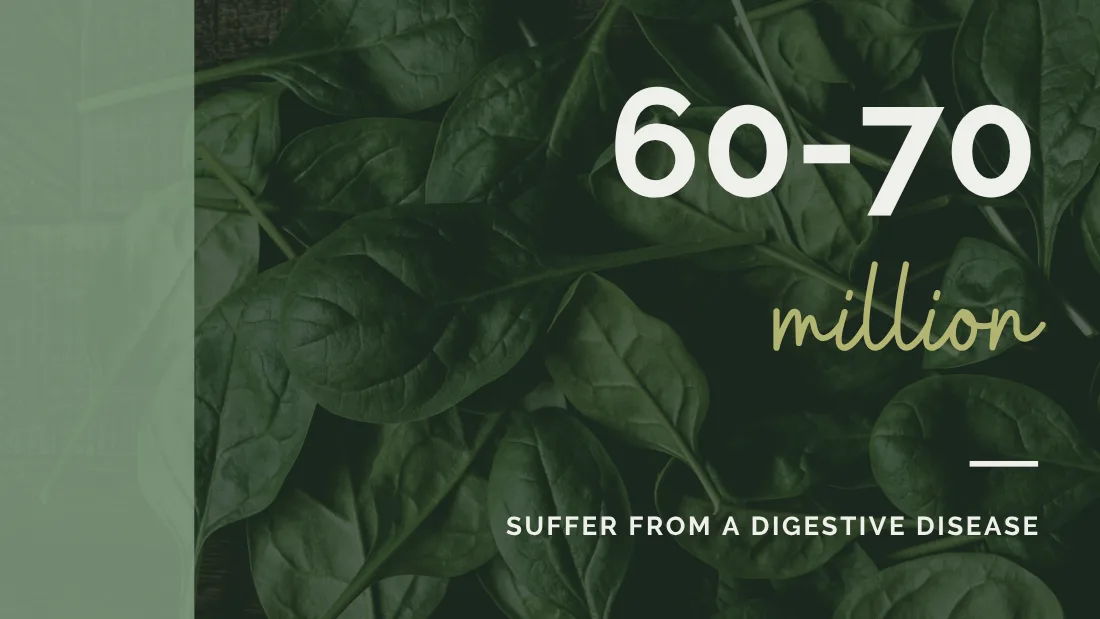
But that's not the case for the estimated 70 million people in the U.S. with digestive diseases.
And that's just diagnosed. I would guess the number is a lot higher.
SUFFER FROM A DIGESTIVE DISEASE
So why does any of this matter? Well as we saw, the health of the microbiome predicts and is linked to many other processes throughout the body, not just digestion.
WHY DOES HAVING A HEALTHY GUT MATTER?
As we have learned, the health of the gut really plays a role in the health of our overall lives.
Obviously, gut health can impact our digestion and absorption of nutrients, the effectiveness of our immune system, our brain and mental health, as well as our skin.
And yes, 70% of our immune system is in our gut. If we are out of balance in our belly, we are prone to getting sicker, more often. Now take a look -- as processed foods have become more readily available, paired with the heightened use of antibiotics and stressful lives, our gut health has steadily declined BUT also think about the rates of autoimmune diseases, they have inclined at the same rate gut health is declining in response to all of the gut disruptors in modern society.
A link between gut health and skin issues such as eczema, acne, and rosacea. Studies have shown that people with acne and other skin issues are 10x more likely to have gut health issues and 34% of people with IBS or an IBD show manifestations in the skin. Certain food intolerances can also manifest in skin conditions like acne breakouts and eczema.
Finally,
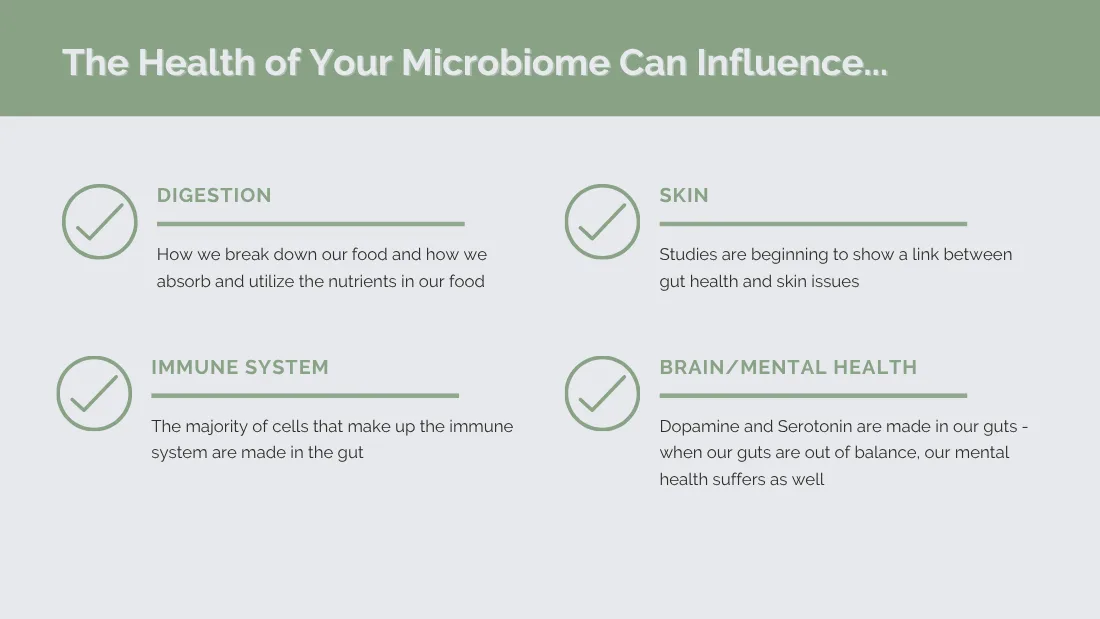
The Health of Your Microbiome Can Influence...
How we break down our food and how we absorb and utilize the nutrients in our food
Immune System
The majority of cells that make up the immune system are made in the gut
Brain/Mental health
Dopamine and Serotonin are made in our guts - when our guts are out of balance, our mental health suffers as well
Studies are beginning to show a link between gut health and skin issues
Bulleted Page
studies have shown that depression has caused relapses in those with inflammatory bowels diseases such as crohn's and UC.
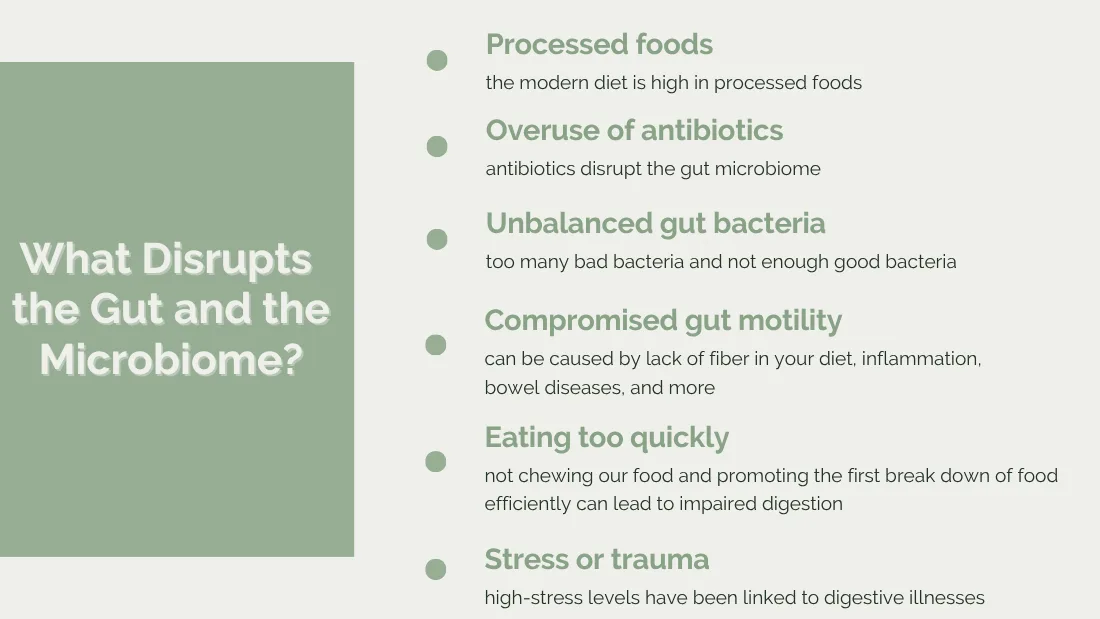
What Disrupts the Gut and the Microbiome?
Processed foods
the modern diet is high in processed foods
Overuse of antibiotics
antibiotics disrupt the gut microbiome
Unbalanced gut bacteria
too many bad bacteria and not enough good bacteria
Compromised gut motility
can be caused by lack of fiber in your diet, inflammation, bowel diseases, and more
Eating too quickly
not chewing our food and promoting the first break down of food efficiently can lead to impaired digestion
Stress or trauma
high-stress levels have been linked to digestive illnesses
HOW DO WE KNOW OUR GUT IS OUT OF BALANCE?
Swollen joints from inflammation
And I wanted to throw this one in there: you consume a diet high in processed foods, because even if you aren't experiencing digestive symptoms yet, you will likely develop issues if you don't correct your diet and get rid of some of the processed foods and begin fueling your body with the fiber it needs to maintain it's healthy gut bacteria
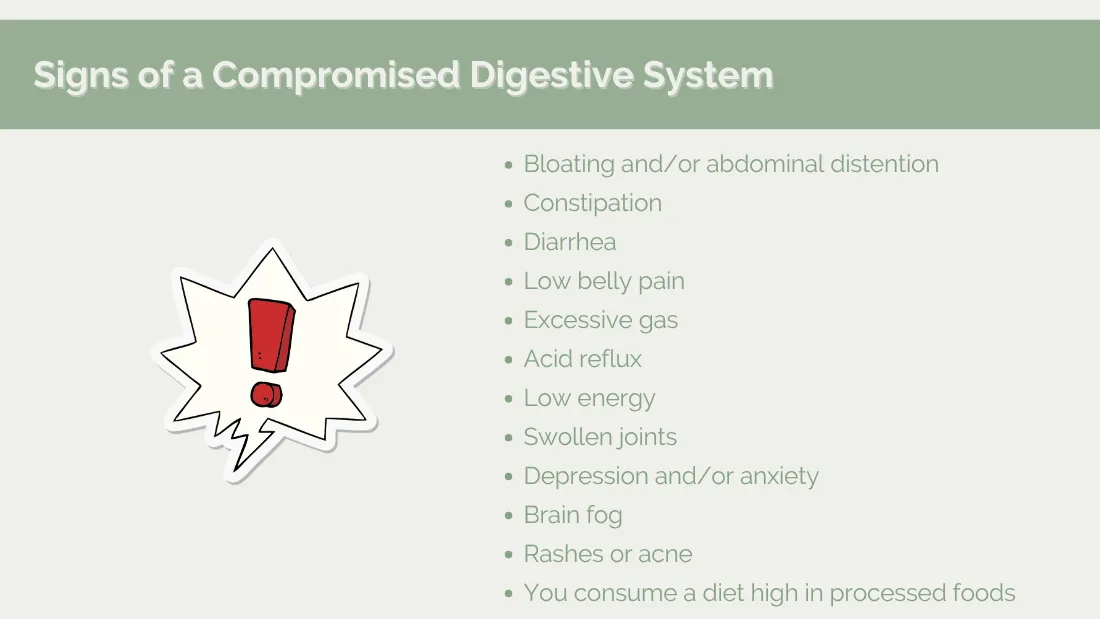
Bloating and/or abdominal distention
Constipation
Diarrhea
Low belly pain
Excessive gas
Acid reflux
Low energy
Swollen joints
Depression and/or anxiety
Brain fog
Rashes or acne
You consume a diet high in processed foods
Signs of a Compromised Digestive System
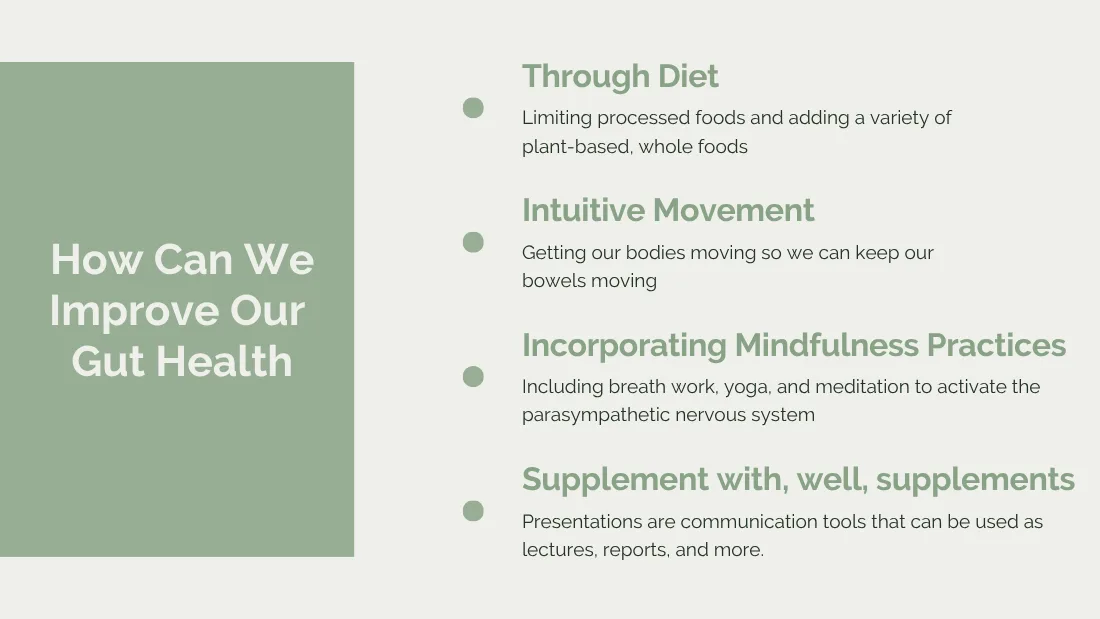
How Can We Improve Our Gut Health
Through Diet
Limiting processed foods and adding a variety of plant-based, whole foods
Intuitive Movement
Getting our bodies moving so we can keep our bowels moving
Incorporating Mindfulness Practices
Including breath work, yoga, and meditation to activate the parasympathetic nervous system
Supplement with, well, supplements
Presentations are communication tools that can be used as lectures, reports, and more.
What to eat for gut health
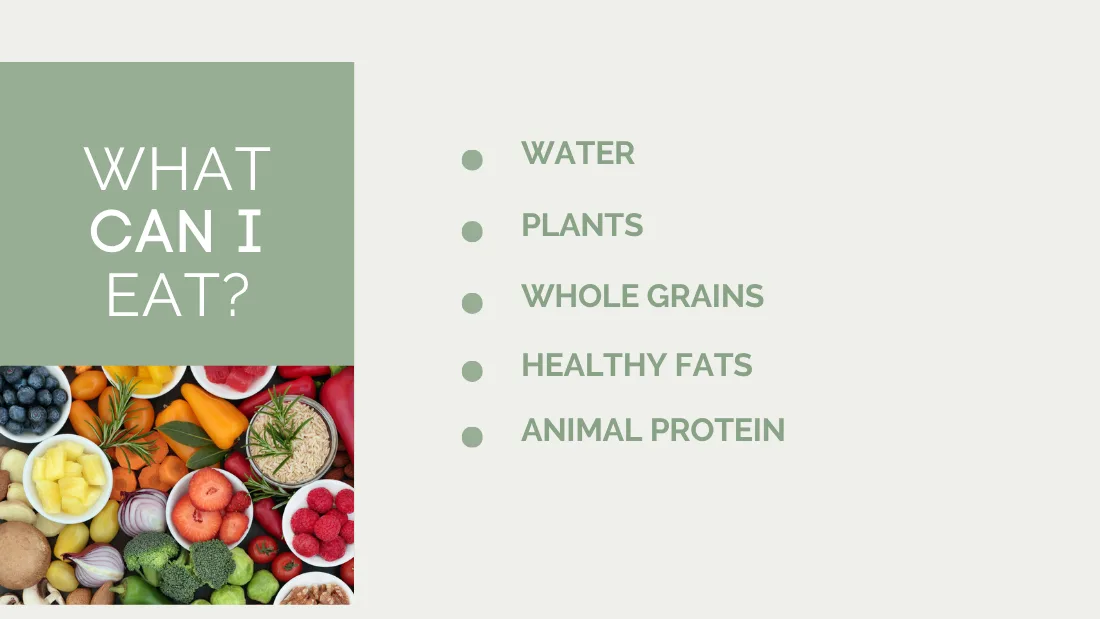
WHOLE GRAINS
HEALTHY FATS
- What
- Can I
- Eat?
ANIMAL PROTEIN
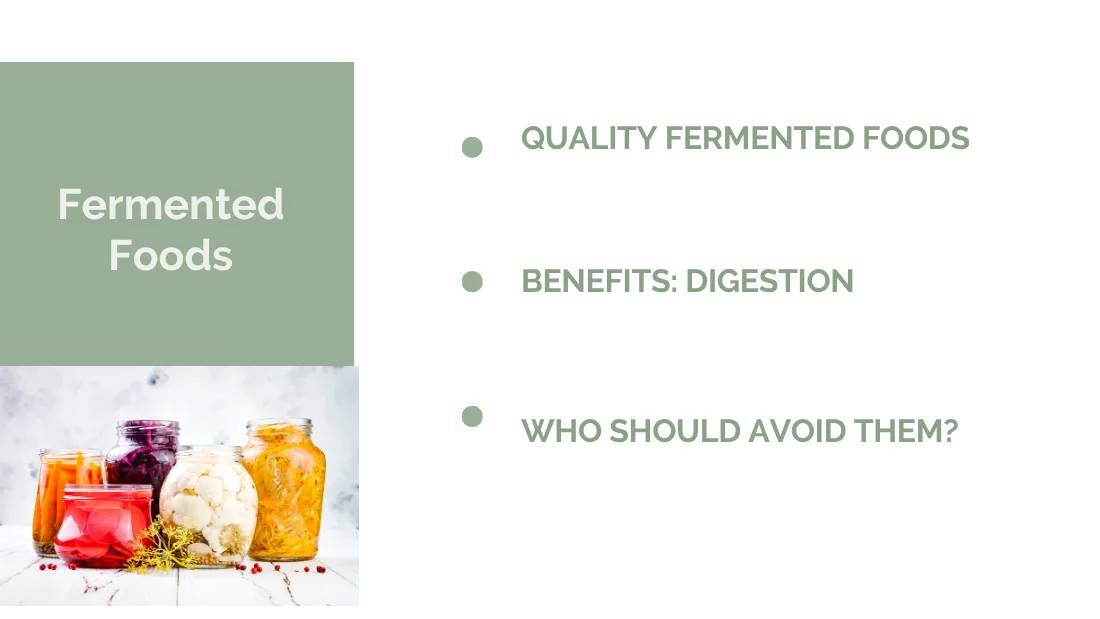
QUALITY FERMENTED FOODS
BENEFITS: DIGESTION
WHO SHOULD AVOID THEM?
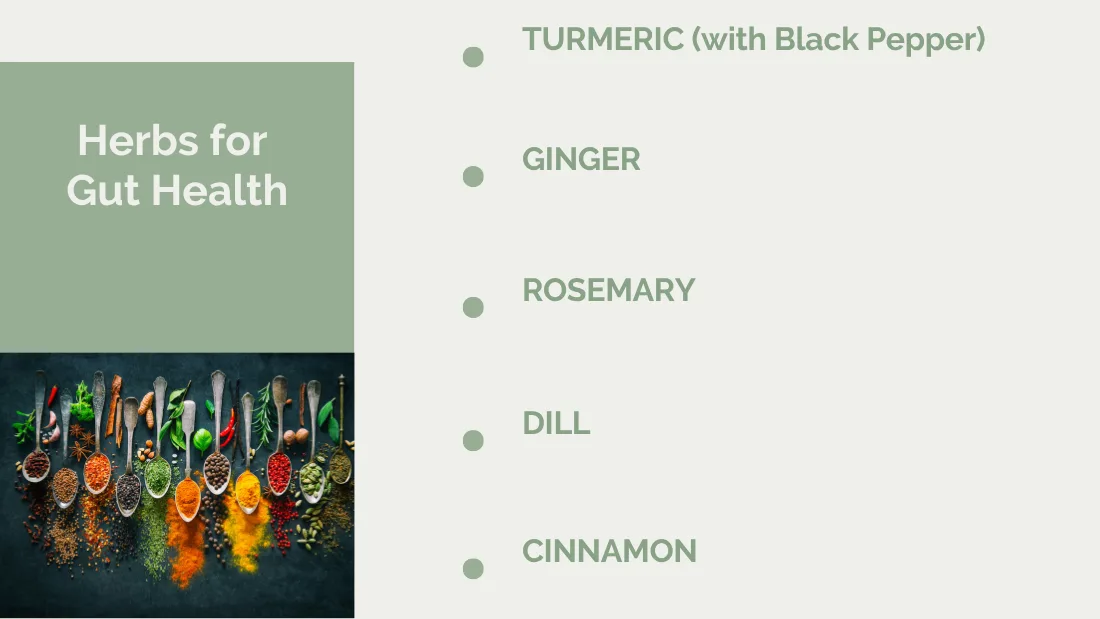
Herbs for Gut Health
TURMERIC (with Black Pepper)
The Digestive System and How It Works | NIH
Role of the gut microbiota in nutrition and health
Stress and stomach pain: When should you see a specialist?
Trends in US Antibiotic Use, 2018
Allergic Disease Linked to Irritable Bowel Syndrome
THANK YOU!
Code Pro
Want help applying this to your own health?
Book Here