Wellness Library
Nutrition & Lifestyle
Text version
Fitness and Nutrition Wellness for Women in Their 40s and Beyond
Cultivating Strength and Optimal Nutrition
This is for education purposes only. Always consult a doctor before changing your diet or exercise plan.
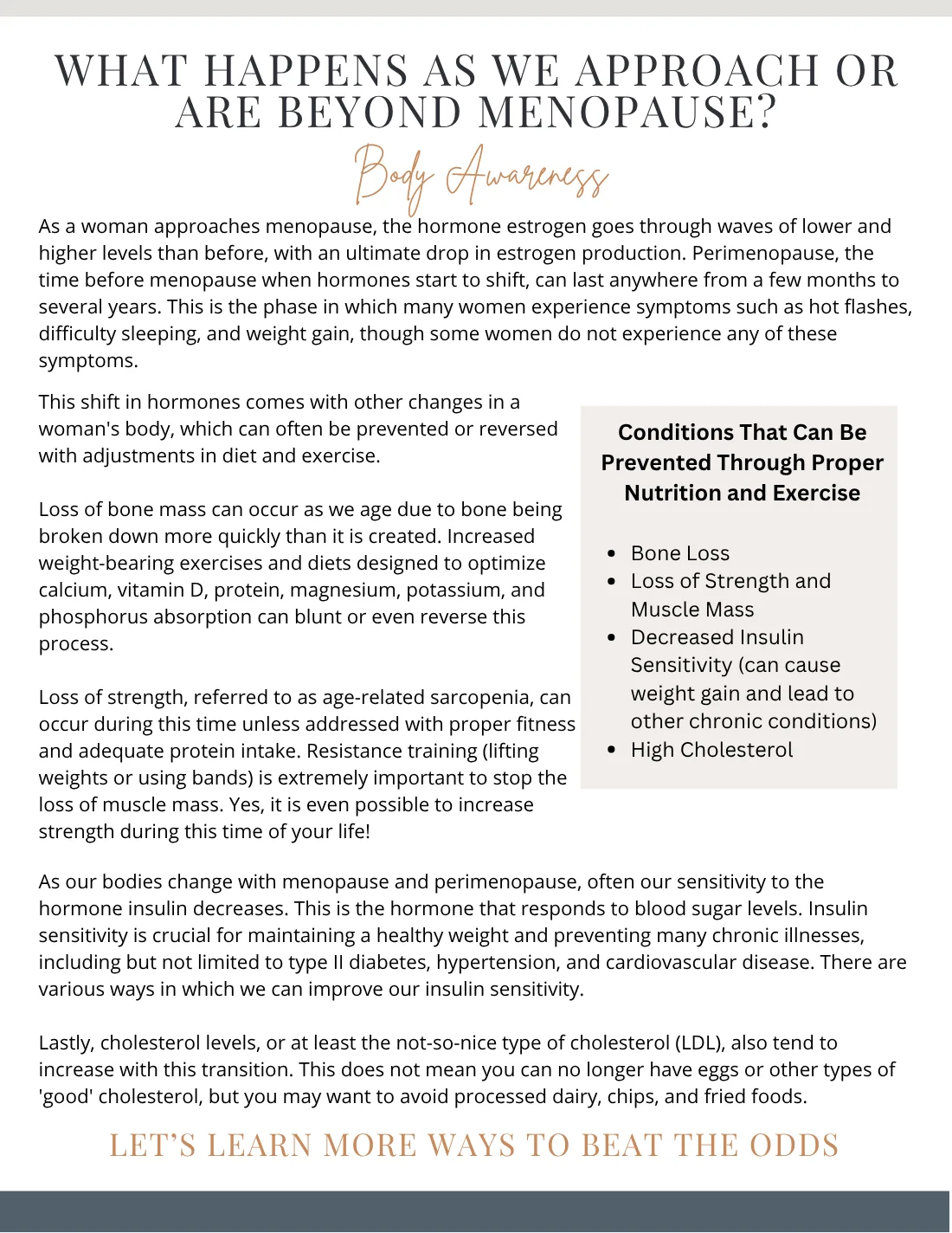
What Happens as we approach or are beyond menopause?
Body Awareness
As a woman approaches menopause, the hormone estrogen goes through waves of lower and higher levels than before, with an ultimate drop in estrogen production. Perimenopause, the time before menopause when hormones start to shift, can last anywhere from a few months to several years. This is the phase in which many women experience symptoms such as hot flashes, difficulty sleeping, and weight gain, though some women do not experience any of these symptoms.
As our bodies change with menopause and perimenopause, often our sensitivity to the hormone insulin decreases. This is the hormone that responds to blood sugar levels. Insulin sensitivity is crucial for maintaining a healthy weight and preventing many chronic illnesses, including but not limited to type II diabetes, hypertension, and cardiovascular disease. There are various ways in which we can improve our insulin sensitivity.
Lastly, cholesterol levels, or at least the not-so-nice type of cholesterol (LDL), also tend to increase with this transition. This does not mean you can no longer have eggs or other types of 'good' cholesterol, but you may want to avoid processed dairy, chips, and fried foods.
This shift in hormones comes with other changes in a woman's body, which can often be prevented or reversed with adjustments in diet and exercise.
Loss of bone mass can occur as we age due to bone being broken down more quickly than it is created. Increased weight-bearing exercises and diets designed to optimize calcium, vitamin D, protein, magnesium, potassium, and phosphorus absorption can blunt or even reverse this process.
Loss of strength, referred to as age-related sarcopenia, can occur during this time unless addressed with proper fitness and adequate protein intake. Resistance training (lifting weights or using bands) is extremely important to stop the loss of muscle mass. Yes, it is even possible to increase strength during this time of your life!
Conditions That Can Be Prevented Through Proper Nutrition and Exercise
- Bone Loss
- Loss of Strength and Muscle Mass
- Decreased Insulin Sensitivity (can cause weight gain and lead to other chronic conditions)
- High Cholesterol
Let’s LEarn More WAys to Beat the Odds
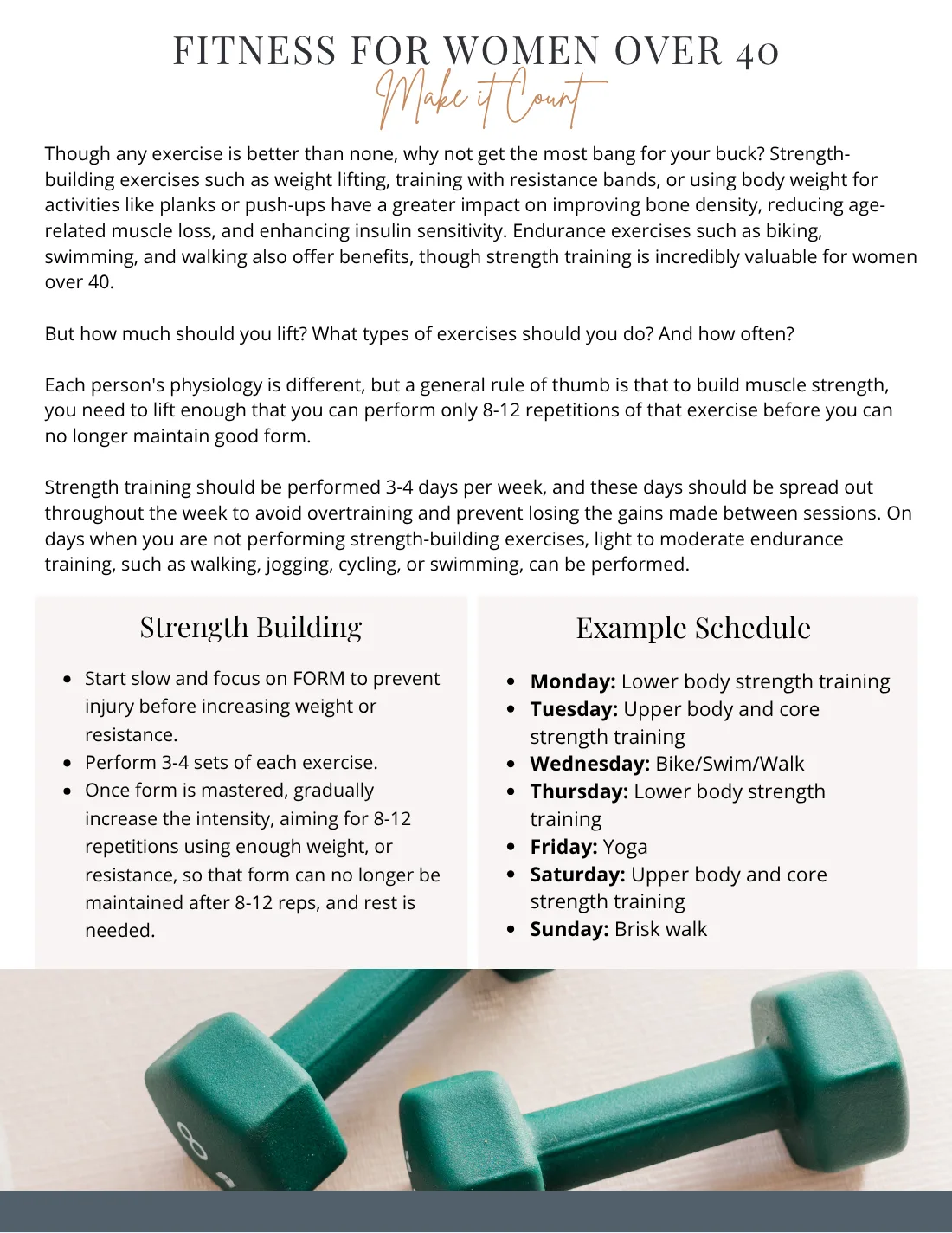
Strength Building
Start slow and focus on FORM to prevent injury before increasing weight or resistance. Perform 3-4 sets of each exercise. Once form is mastered, gradually increase the intensity, aiming for 8-12 repetitions using enough weight, or resistance, so that form can no longer be maintained after 8-12 reps, and rest is needed.
Example Schedule
- Monday: Lower body strength training
- Tuesday: Upper body and core strength training
- Wednesday: Bike/Swim/Walk
- Thursday: Lower body strength training
- Friday: Yoga
- Saturday: Upper body and core strength training
- Sunday: Brisk walk
Fitness for Women Over 40
Make it Count
Though any exercise is better than none, why not get the most bang for your buck? Strength-building exercises such as weight lifting, training with resistance bands, or using body weight for activities like planks or push-ups have a greater impact on improving bone density, reducing age-related muscle loss, and enhancing insulin sensitivity. Endurance exercises such as biking, swimming, and walking also offer benefits, though strength training is incredibly valuable for women over 40.
But how much should you lift? What types of exercises should you do? And how often?
Each person's physiology is different, but a general rule of thumb is that to build muscle strength, you need to lift enough that you can perform only 8-12 repetitions of that exercise before you can no longer maintain good form.
Strength training should be performed 3-4 days per week, and these days should be spread out throughout the week to avoid overtraining and prevent losing the gains made between sessions. On days when you are not performing strength-building exercises, light to moderate endurance training, such as walking, jogging, cycling, or swimming, can be performed.
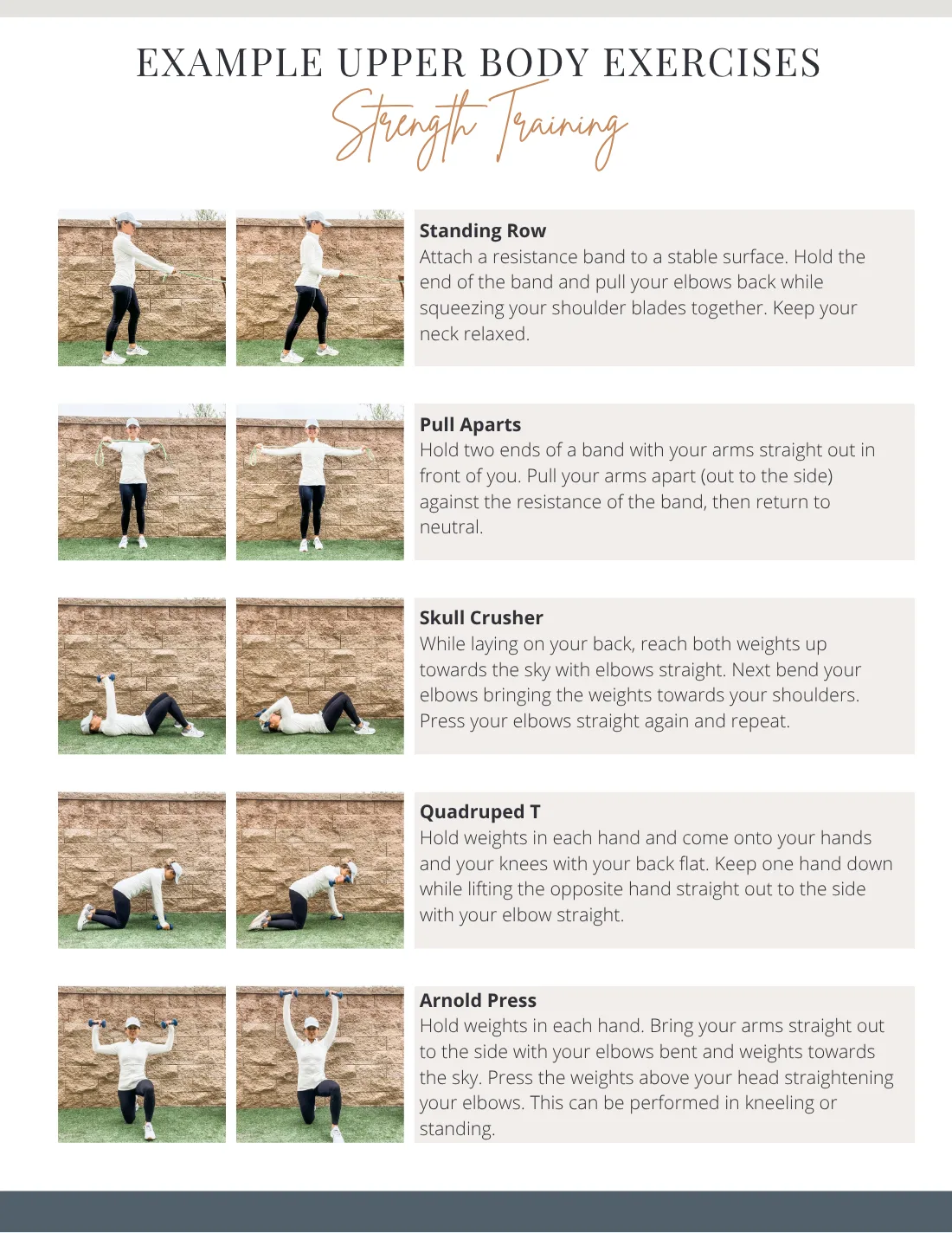
Example Upper Body Exercises
Strength Training
Skull Crusher While laying on your back, reach both weights up towards the sky with elbows straight. Next bend your elbows bringing the weights towards your shoulders. Press your elbows straight again and repeat.
Quadruped T Hold weights in each hand and come onto your hands and your knees with your back flat. Keep one hand down while lifting the opposite hand straight out to the side with your elbow straight.
Arnold Press Hold weights in each hand. Bring your arms straight out to the side with your elbows bent and weights towards the sky. Press the weights above your head straightening your elbows. This can be performed in kneeling or standing.
Pull Aparts Hold two ends of a band with your arms straight out in front of you. Pull your arms apart (out to the side) against the resistance of the band, then return to neutral.
Standing Row Attach a resistance band to a stable surface. Hold the end of the band and pull your elbows back while squeezing your shoulder blades together. Keep your neck relaxed.
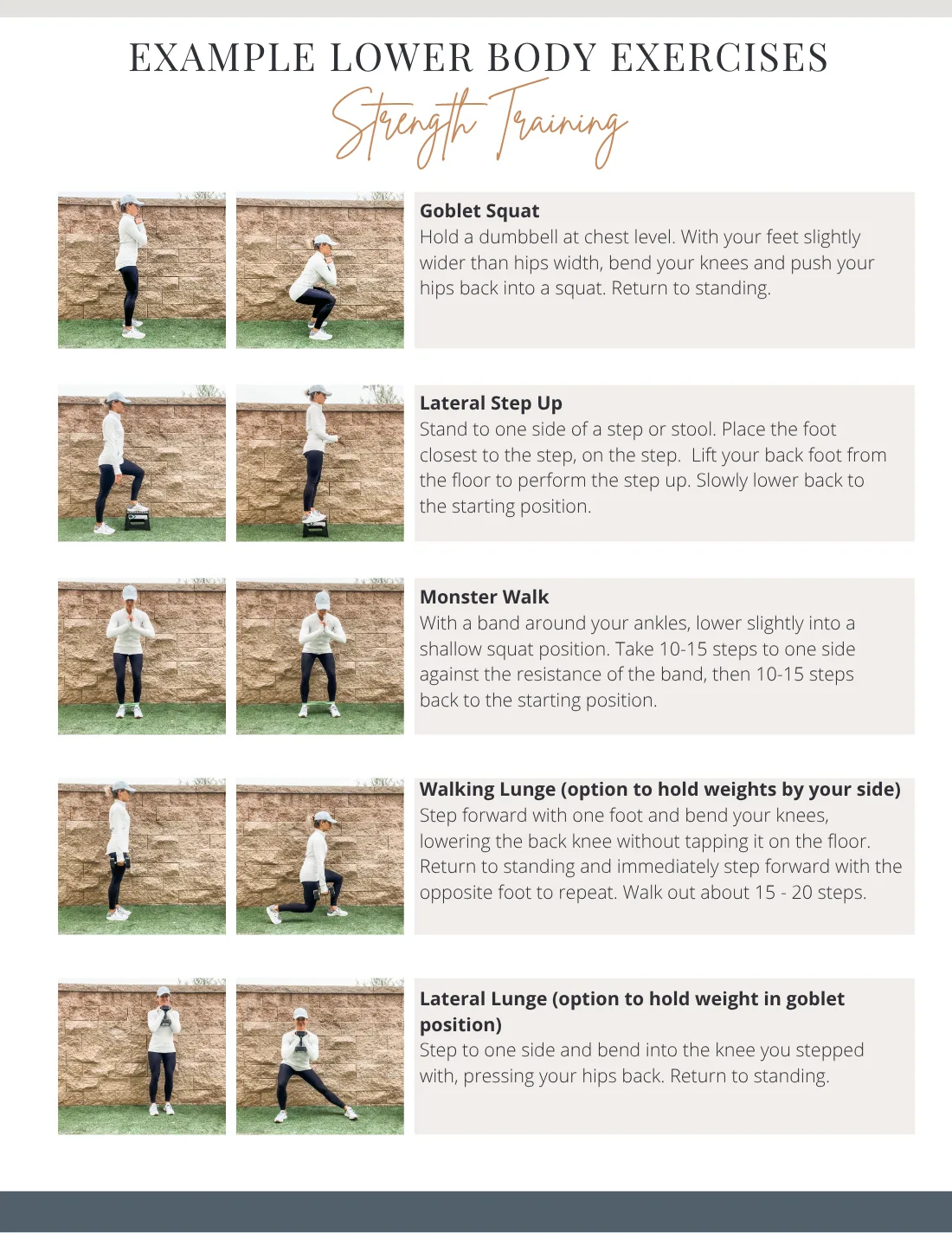
Example Lower Body Exercises
Goblet Squat Hold a dumbbell at chest level. With your feet slightly wider than hips width, bend your knees and push your hips back into a squat. Return to standing.
Monster Walk With a band around your ankles, lower slightly into a shallow squat position. Take 10-15 steps to one side against the resistance of the band, then 10-15 steps back to the starting position.
Walking Lunge (option to hold weights by your side) Step forward with one foot and bend your knees, lowering the back knee without tapping it on the floor. Return to standing and immediately step forward with the opposite foot to repeat. Walk out about 15 - 20 steps.
Lateral Lunge (option to hold weight in goblet position) Step to one side and bend into the knee you stepped with, pressing your hips back. Return to standing.
Lateral Step Up Stand to one side of a step or stool. Place the foot closest to the step, on the step. Lift your back foot from the floor to perform the step up. Slowly lower back to the starting position.
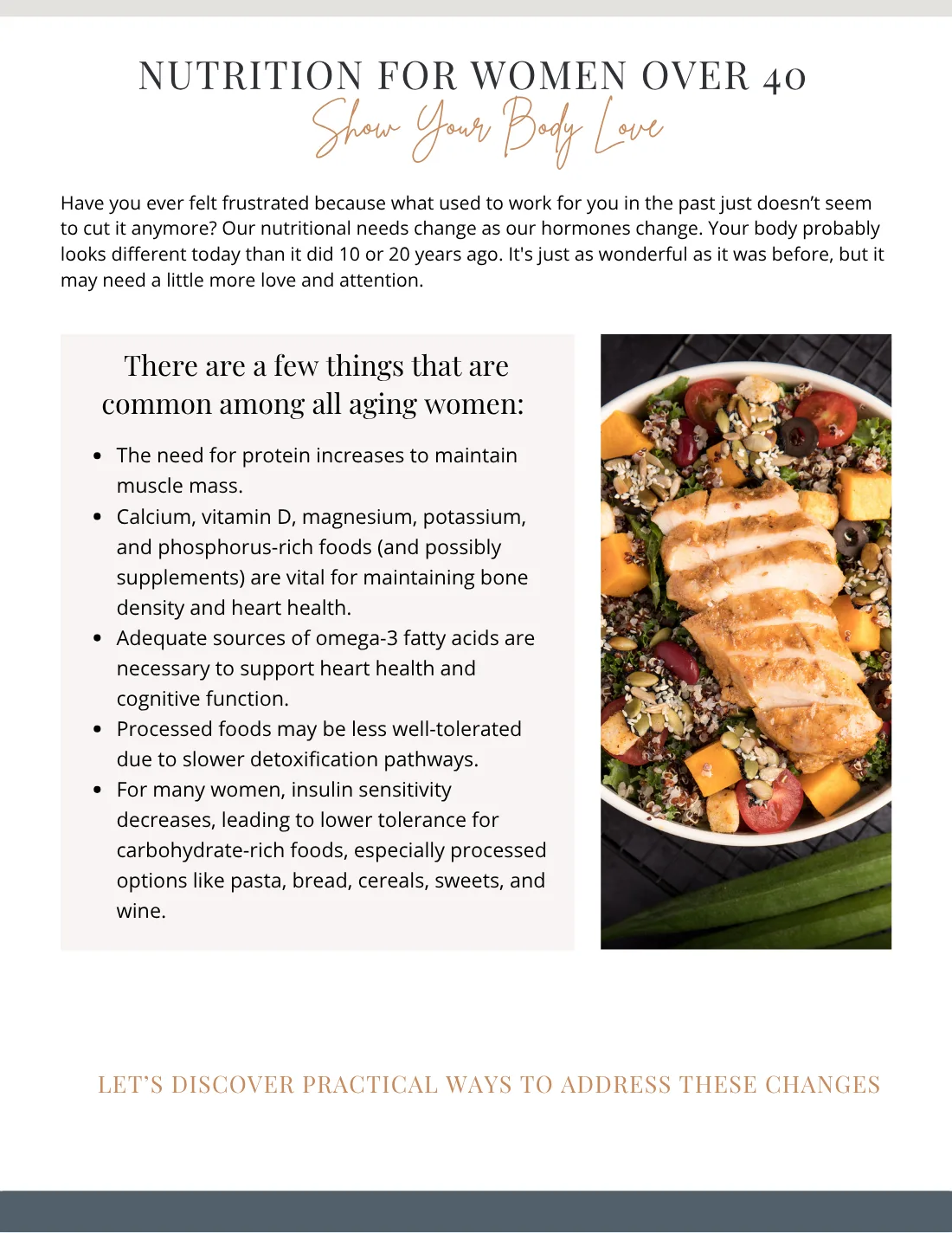
There are a few things that are common among all aging women:
The need for protein increases to maintain muscle mass. Calcium, vitamin D, magnesium, potassium, and phosphorus-rich foods (and possibly supplements) are vital for maintaining bone density and heart health. Adequate sources of omega-3 fatty acids are necessary to support heart health and cognitive function. Processed foods may be less well-tolerated due to slower detoxification pathways. For many women, insulin sensitivity decreases, leading to lower tolerance for carbohydrate-rich foods, especially processed options like pasta, bread, cereals, sweets, and wine.
Nutrition For Women Over 40
Show Your Body Love
Have you ever felt frustrated because what used to work for you in the past just doesn’t seem to cut it anymore? Our nutritional needs change as our hormones change. Your body probably looks different today than it did 10 or 20 years ago. It's just as wonderful as it was before, but it may need a little more love and attention.
Let’s Discover PRactical Ways to Address These Changes
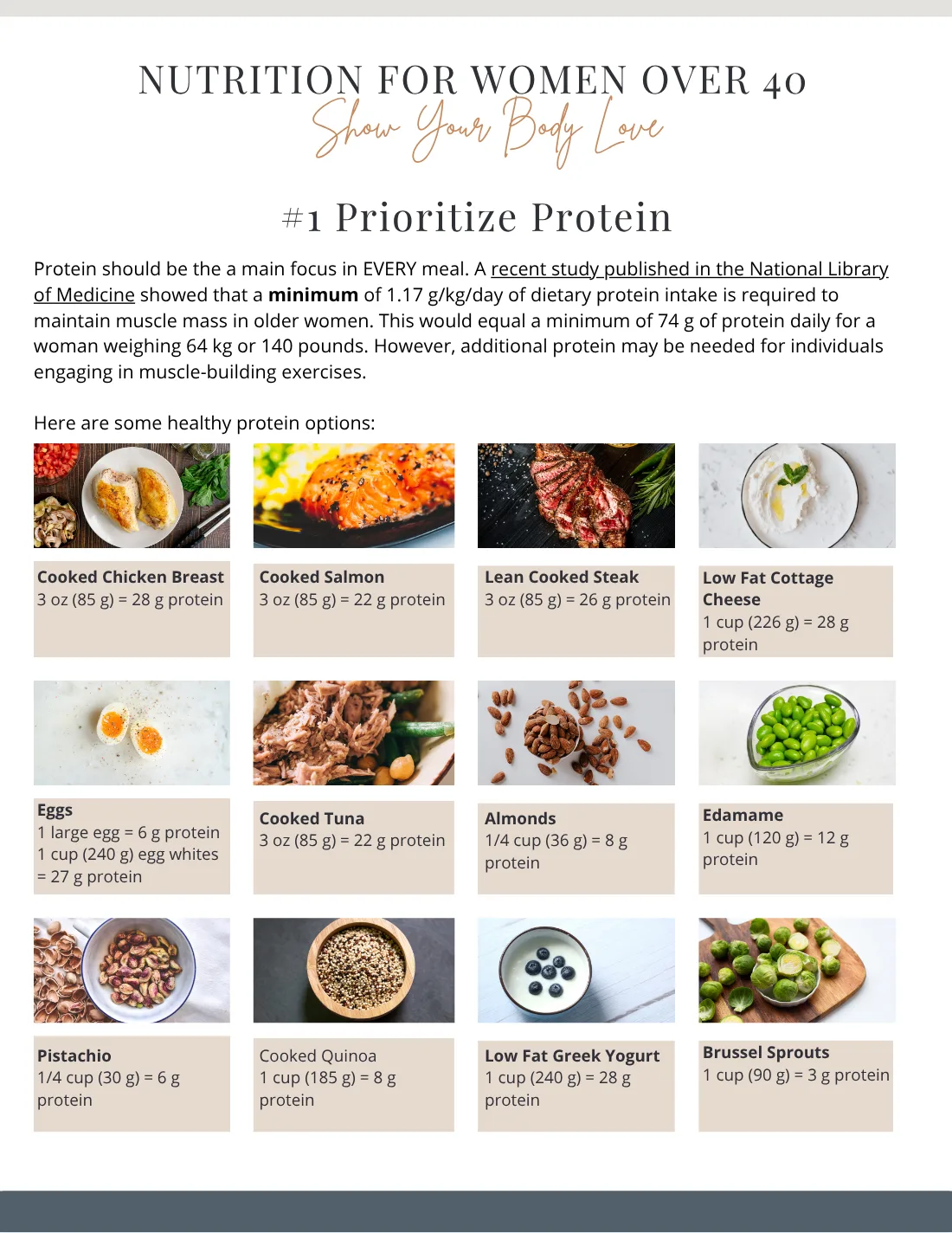
Cooked Chicken Breast 3 oz (85 g) = 28 g protein
Cooked Salmon 3 oz (85 g) = 22 g protein
Lean Cooked Steak 3 oz (85 g) = 26 g protein
Low Fat Cottage Cheese 1 cup (226 g) = 28 g protein
#1 Prioritize Protein
Protein should be the a main focus in EVERY meal. A recent study published in the National Library of Medicine showed that a minimum of 1.17 g/kg/day of dietary protein intake is required to maintain muscle mass in older women. This would equal a minimum of 74 g of protein daily for a woman weighing 64 kg or 140 pounds. However, additional protein may be needed for individuals engaging in muscle-building exercises.
Here are some healthy protein options:
- Eggs
- 1 large egg = 6 g protein
- 1 cup (240 g) egg whites = 27 g protein
Cooked Tuna 3 oz (85 g) = 22 g protein
Almonds 1/4 cup (36 g) = 8 g protein
Edamame 1 cup (120 g) = 12 g protein
Pistachio 1/4 cup (30 g) = 6 g protein
Cooked Quinoa 1 cup (185 g) = 8 g protein
Low Fat Greek Yogurt 1 cup (240 g) = 28 g protein
Brussel Sprouts 1 cup (90 g) = 3 g protein
#2 Bring in Nutrient Dense Foods
Not all calories are created equal. It's more important than ever to ensure that the foods you choose are loaded with the vitamins and minerals your body needs to perform at its best. Calcium, vitamin D, vitamin K, magnesium, potassium, and phosphorus (as discussed previously) are especially important during this phase to maintain bone mass and muscle function.
Antioxidants such as beta-carotene, vitamin C, and vitamin E are also crucial in reducing the effects of aging on all organ systems, including your skin and muscle tissue.
One way to ensure you get a wide spectrum of antioxidant vitamins and minerals is to 'eat the rainbow.' Choose a variety of fruits and vegetables of different colors to add to your plate. Vegetables that are dark red, for example, have different antioxidants from those that are green.
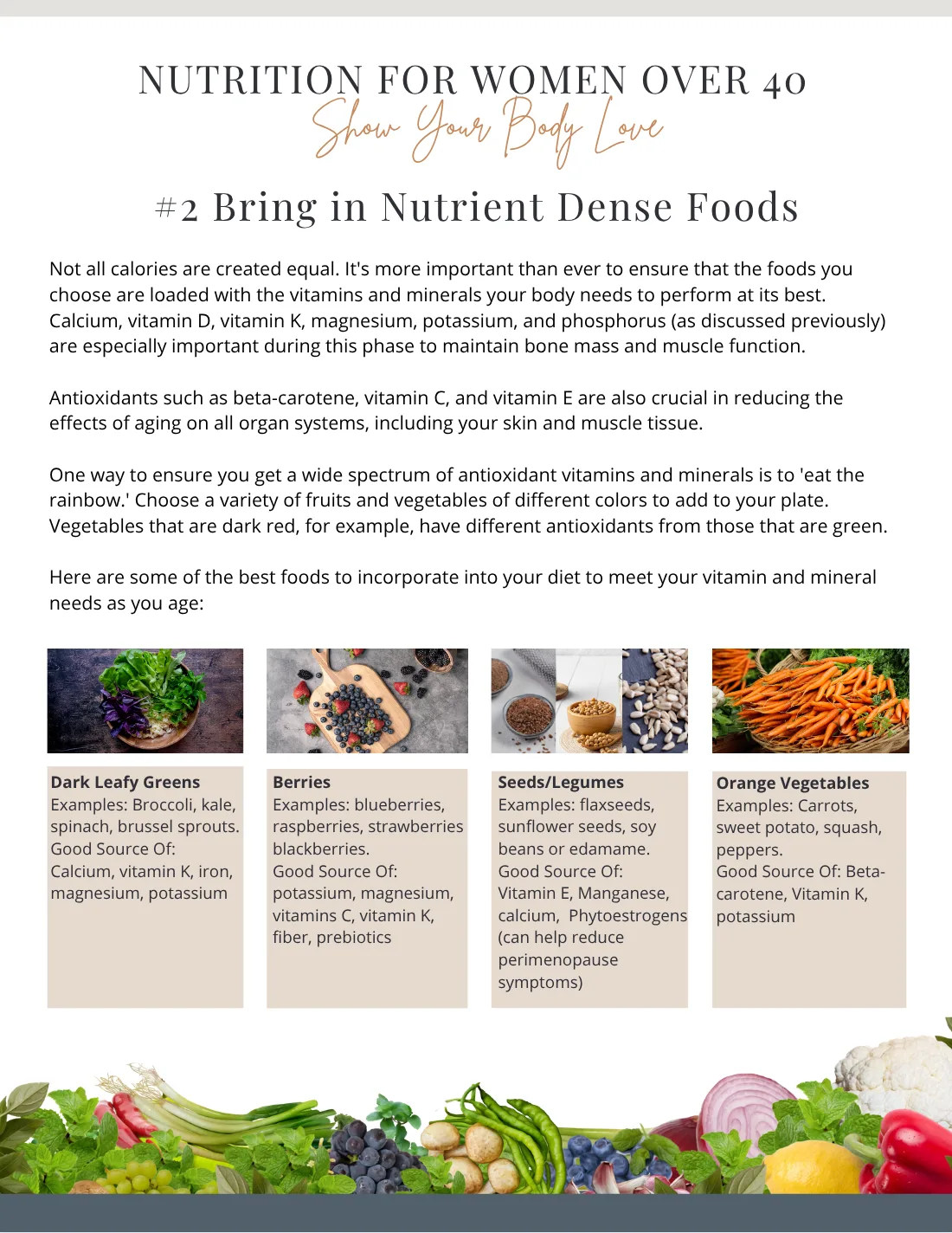
Here are some of the best foods to incorporate into your diet to meet your vitamin and mineral needs as you age:
- Dark Leafy Greens
- Examples: Broccoli, kale, spinach, brussel sprouts.
- Good Source Of: Calcium, vitamin K, iron, magnesium, potassium
- Berries
- Examples: blueberries, raspberries, strawberries blackberries.
- Good Source Of: potassium, magnesium, vitamins C, vitamin K, fiber, prebiotics
- Seeds/Legumes
- Examples: flaxseeds, sunflower seeds, soy beans or edamame.
- Good Source Of: Vitamin E, Manganese, calcium, Phytoestrogens (can help reduce perimenopause symptoms)
- Orange Vegetables
- Examples: Carrots, sweet potato, squash, peppers.
- Good Source Of: Beta-carotene, Vitamin K, potassium
#3 Get Enough Omega 3 Fatty Acids
Omega-3 fatty acids are crucial nutrients supporting heart health, reducing levels of LDL cholesterol, and combating chronic inflammation. Found in fatty fish, nuts, seeds, and soybeans, omega-3s can also be obtained through supplements for those who may require more. In general, consuming 2 to 3 servings of fatty fish each week provides sufficient omega-3 intake.
When it comes to omega-3s, the source matters. Omega-3 is highly shelf-stable, so not all supplement brands are created equal. Ensure your supplements are third-party tested and from a reputable brand. Source quality is also vital when obtaining omega-3s through food; for example, wild-caught salmon has a more favorable omega-3 (anti-inflammatory) to omega-6 (inflammatory) ratio.
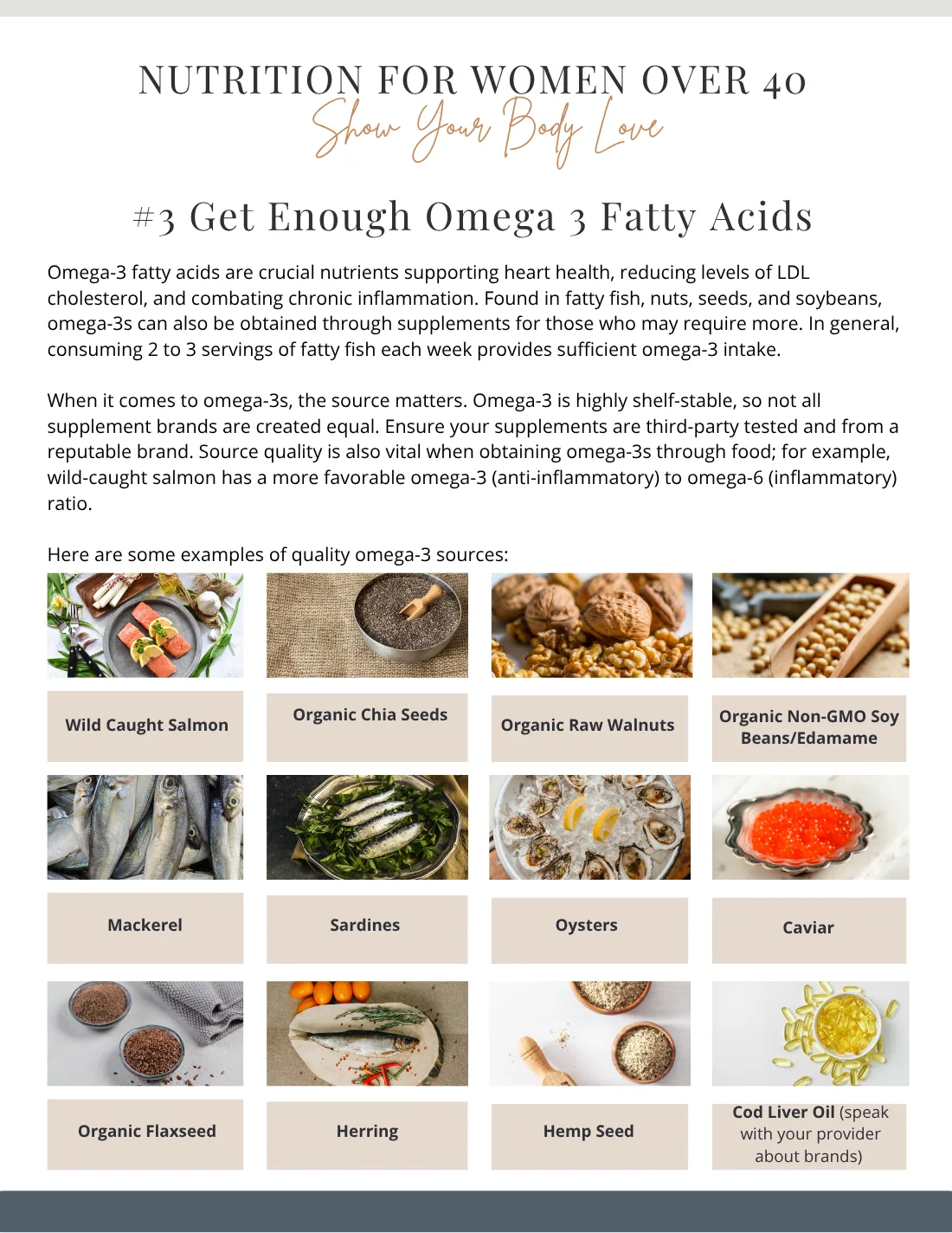
Here are some examples of quality omega-3 sources:
Wild Caught Salmon
Organic Chia Seeds
Organic Raw Walnuts
Organic Non-GMO Soy Beans/Edamame
Mackerel
Sardines
Oysters
Caviar
Organic Flaxseed
Hemp Seed
Cod Liver Oil (speak with your provider about brands)
#4 Balance Your Plate and Reduce Snacking
Often after menopause, our response to the hormone insulin often diminishes, a condition known as insulin resistance or reduced insulin sensitivity. Think of insulin as the key that opens the door for sugar to enter the cell. With insulin resistance, this key no longer works as effectively, and our bodies have to produce more insulin in response to sugar in the bloodstream. This can lead to complications such as weight gain, fatigue, and brain fog. Over time, more chronic conditions may develop, including type II diabetes or cardiovascular disease.
The good news is that this is preventable and even reversible with the right nutrition and exercise. Highly processed foods and diets high in processed carbohydrates can contribute to insulin resistance. Processed foods, often found in boxes, bear little resemblance to their natural origins. For instance, cereal looks nothing like the 'plants' it came from. Despite labels claiming to be 'plant-based' or 'heart-healthy,' these foods can have the opposite effect.
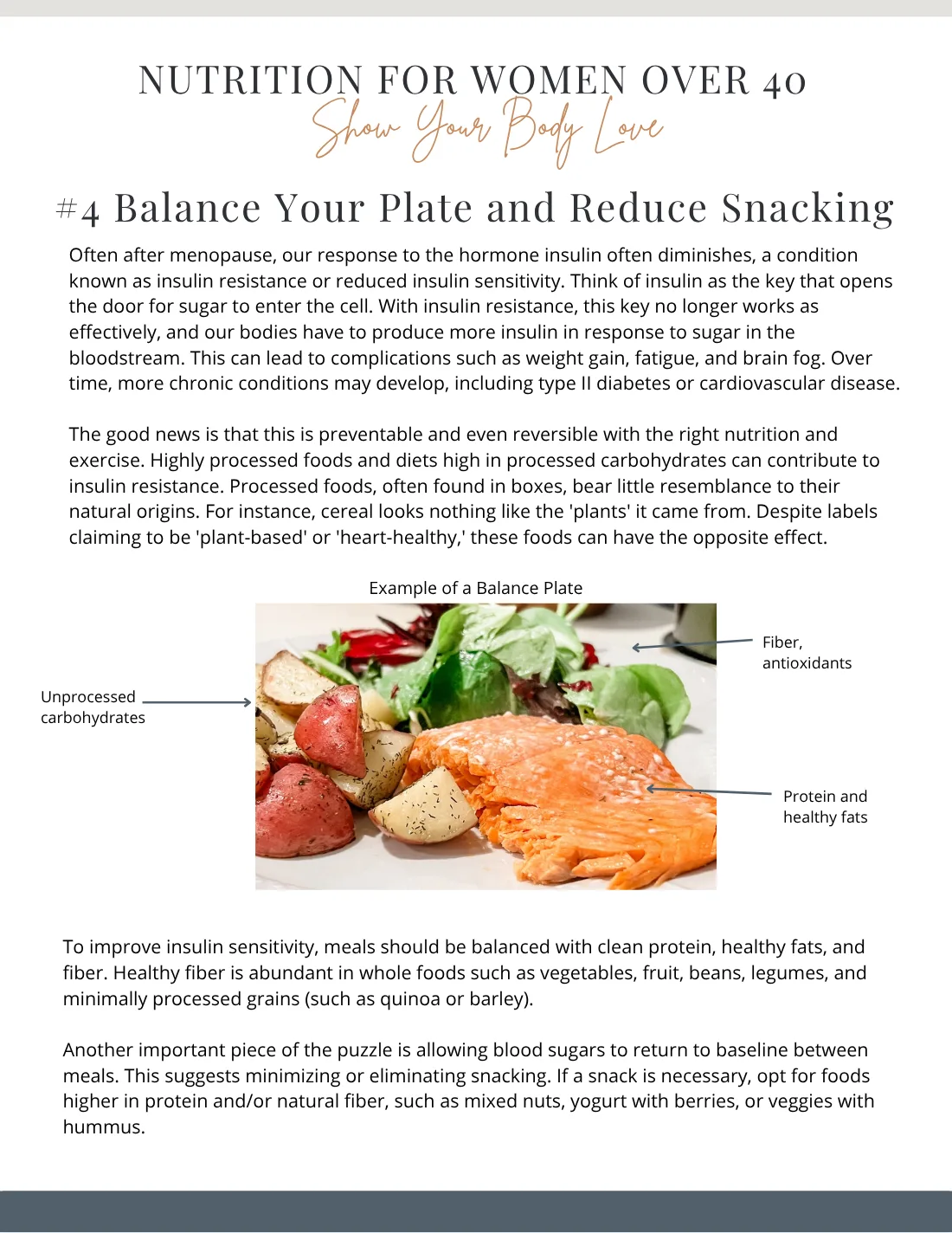
To improve insulin sensitivity, meals should be balanced with clean protein, healthy fats, and fiber. Healthy fiber is abundant in whole foods such as vegetables, fruit, beans, legumes, and minimally processed grains (such as quinoa or barley).
Another important piece of the puzzle is allowing blood sugars to return to baseline between meals. This suggests minimizing or eliminating snacking. If a snack is necessary, opt for foods higher in protein and/or natural fiber, such as mixed nuts, yogurt with berries, or veggies with hummus.
Protein and healthy fats
Fiber, antioxidants
Unprocessed carbohydrates
Example of a Balance Plate
Take Control
By prioritizing a balanced and nutrient-rich diet alongside tailored exercise routines, our aim is to empower you to achieve optimal health and fitness at every stage of life.
Our goal is for you to feel strong, energetic, and confident. Consistency is key, and as you embark on this journey, may you discover the joy of nourishing your body and embracing an active lifestyle.
I hope you feel empowered and equipped to start feeling your absolute best throughout this stage of life!
Let’s Recap
Strength and resistance training is key to maintaining or improving muscle mass and bone density. Prioritize protein; it’s needed for muscle maintenance and cellular repair. Eat naturally colorful and nutrient dense foods found in nature. Be sure to get enough Omega-3 fatty acids Balance your plate and minimize snacking.
Here's to a healthier, happier you!
Want help applying this to your own health?
Book Here